Understanding Corporate Security: Key Components and Importance
Corporate Security is an essential facet of modern business operations, protecting companies from various threats that could jeopardize their assets, personnel, and reputation. With the rising complexities in the security landscape, organizations are increasingly investing in corporate security solutions to navigate potential risks effectively. When exploring options, Corporate Security provides comprehensive insights into the best practices and services that ensure safety and compliance.
What is Corporate Security?
Corporate security refers to a strategic discipline aimed at mitigating risks to an organization’s physical assets and personnel. It encompasses a variety of measures including risk assessments, surveillance, access control, and incident response, with a focus on maintaining safety and order in corporate environments. A robust corporate security strategy typically includes physical security personnel, cybersecurity protocols, and comprehensive emergency preparedness plans.
The Role and Responsibilities of Security Teams
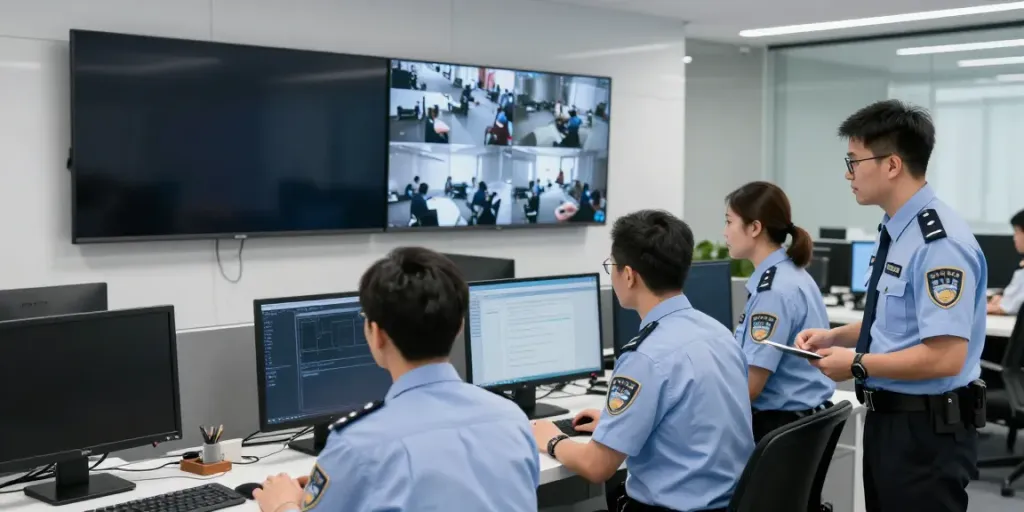
Security teams play a pivotal role in safeguarding corporate assets and personnel. Their responsibilities include conducting regular security audits, managing access controls to facilities, monitoring surveillance systems, and implementing emergency response protocols. Additionally, security teams are tasked with educating employees about safety protocols and maintaining reliable reporting systems for incidents. This proactive involvement not only deters potential threats but also cultivates a culture of safety within the organization.
Why Corporate Security is Essential for Businesses
Corporate security is critical for several reasons. Firstly, it helps protect sensitive information from theft or breaches, which could result in significant financial losses and damage to the brand’s reputation. Furthermore, effective security measures ensure compliance with industry regulations and standards, thereby shielding businesses from potential legal ramifications. Ultimately, robust corporate security fosters a secure environment that enhances employee productivity and client trust.
How to Choose the Right Corporate Security Provider
Choosing a corporate security provider requires careful consideration of several factors to ensure the safety and efficiency of security operations within an organization. It's vital to evaluate a provider’s experience, range of services, and compliance with industry standards.
Evaluating Credentials and Accreditations
When selecting a corporate security provider, scrutinizing their credentials and accreditations is essential. Look for certifications from recognized bodies such as the Security Industry Authority (SIA) in the UK or the National Security Inspectorate (NSI). These accreditations signify that the provider adheres to stringent operational standards and has undergone rigorous evaluation processes.
Pricing Models and Cost Breakdown
Understanding the pricing models and cost structures of security services is crucial for budget management. Most corporate security companies offer various pricing plans based on the scope of services, such as hourly rates for guards, flat fees for patrol services, or monthly retainers for comprehensive oversight. On average, businesses can expect to pay between £12 and £20 per hour for basic security services, with higher rates for specialized services like event security or executive protection.
What to Look for in Service Reviews
Reviews and testimonials are invaluable resources when evaluating potential security providers. Look for feedback that highlights the company’s reliability, professionalism, and response times. Positive reviews from previous clients can provide insights into the quality of service offered and indicate the provider’s ability to effectively handle security concerns.
Services Offered by Corporate Security Companies
Corporate security providers typically offer numerous services tailored to meet the unique needs of businesses across various sectors. Understanding these services can help organizations choose the right level of security for their operations.
Event Security: Preparing for Any Gathering
Event security is a specialized service aimed at ensuring the safety of gatherings, whether they be corporate meetings, conferences, or social events. Security teams are equipped to manage crowd control, conduct risk assessments, and implement emergency response measures, creating a secure environment for all attendees. Tailored security plans are developed in collaboration with event organizers to address potential risks associated with the venue and the occasion.
Access Control Measures for Corporate Facilities
Access control is fundamental to any corporate security strategy. By implementing systems such as keycard access, biometric readers, and surveillance cameras, businesses can effectively monitor who enters and exits their facilities. These measures not only prevent unauthorized access but also allow for real-time tracking of personnel and security breaches, enhancing overall safety.
Risk Assessment and Management Strategies
Conducting regular risk assessments is crucial in identifying vulnerabilities within an organization’s security framework. Corporate security providers should offer comprehensive assessments that evaluate potential threats and recommend mitigation strategies. These strategies may include upgrading physical security measures, employee training programs, or implementing advanced technology solutions to enhance preparedness against future incidents.
Industry Trends in Corporate Security for 2026
As the security landscape evolves, staying informed about industry trends is essential for corporate security teams. Understanding these trends enables businesses to adapt their strategies to maintain safety and compliance.
Technological Advances in Security Operations
Technological advancements are transforming corporate security operations. The integration of artificial intelligence and machine learning in monitoring systems allows for predictive analysis of potential security threats. Moreover, advancements in surveillance technology, such as high-definition cameras and remote monitoring capabilities, enhance security effectiveness and reduce response times in emergencies.
Increased Demand for Integrated Security Solutions
There is a growing trend toward integrated security solutions that combine physical and cybersecurity measures. Businesses are increasingly recognizing the importance of addressing both aspects simultaneously to create a more comprehensive approach to safety. This integration helps in safeguarding sensitive data while ensuring the physical safety of personnel and property.
The Movement Towards Socially Responsible Security Practices
Organizations are beginning to emphasize socially responsible practices within their security operations. This includes considerations for the environmental impact of security measures, as well as policies that respect individual rights and promote transparency in operations. Clients are drawn to security providers that not only protect them but also uphold ethical standards and community values.
Client Experiences: Testimonials and Case Studies
Understanding how security services have impacted other businesses can provide valuable insights into what to expect from potential providers. Case studies and testimonials can highlight the effectiveness and reliability of security teams in various situations.
Success Stories from Local Businesses
Many businesses have benefitted from partnering with professional corporate security providers. For instance, a local retail chain reported significant reductions in theft and vandalism after implementing a customized security plan that included personnel training and improved surveillance. This success underscores the importance of tailored security measures to meet specific organizational needs.
Client Satisfaction: Measuring the Impact of Security Services
Client satisfaction is a key indicator of a security provider’s performance. Regular feedback loops and assessments of security effectiveness can help clients gauge how well services are meeting their expectations. Organizations that prioritize regular communication with their security providers often experience greater satisfaction with service delivery and outcomes.
Common Challenges Faced by Clients and How They Were Resolved
Many companies encounter challenges when implementing security measures, such as employee pushback or insufficient training. For more information, Corporate Security offers valuable insights. Successful providers often address these issues by conducting thorough pre-assessments and providing comprehensive training programs to ensure that all personnel are on board with security protocols. Continuous engagement and transparent communication help facilitate smoother implementations and better long-term security outcomes.