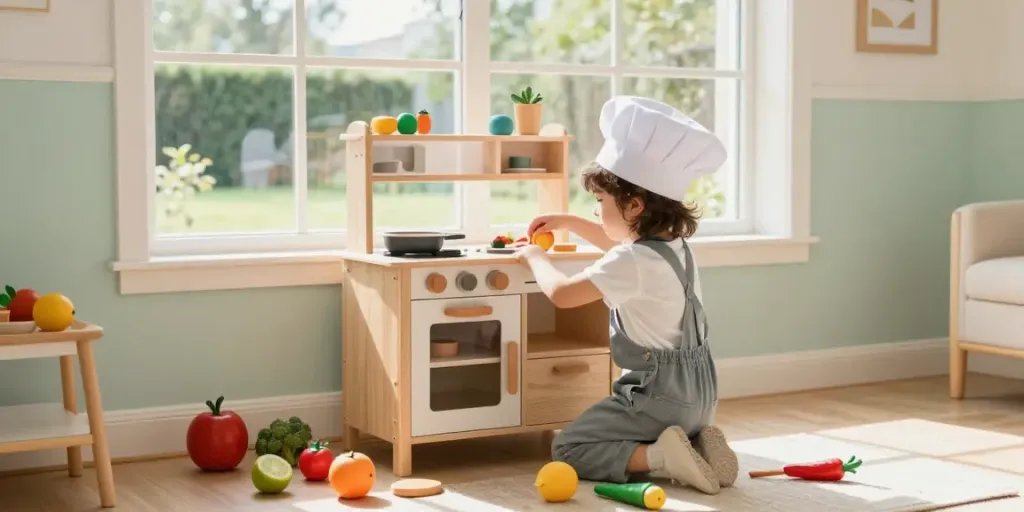
Understanding the Benefits of Wooden Kitchens
In the realm of children’s toys, wooden kitchen sets stand out for their durability, aesthetics, and ability to inspire imaginative play. These enchanting playsets not only provide endless entertainment but also promote essential life skills and creativity among young users. As parents and educators increasingly recognise the value of quality play experiences, wooden kitchens are becoming a staple in homes and classrooms alike.
Why Choose a Wooden Kitchen for Your Child?
Wooden kitchen sets offer a multitude of advantages that enhance the play experience for children. Unlike plastic alternatives, wooden kitchens are sturdy and can withstand years of imaginative cooking adventures. They provide a tactile experience that not only feels good but also helps to develop fine motor skills. Moreover, the aesthetic appeal of a wooden kitchen, with its natural grains and warm tones, can seamlessly blend into home decor, making it a more appealing choice for parents.
Furthermore, wooden kitchens encourage children to engage in role play, which is crucial for their social and emotional development. Children can mimic family routines, interact with peers, and even learn the basics of cooking and kitchen safety—all while having fun.
Environmental Impact of Wooden Kitchen Sets
Another significant benefit of wooden kitchens is their environmental impact. Most high-quality wooden playsets are crafted from sustainably sourced wood and are free from harmful chemicals, making them an eco-friendly option. Manufacturers are increasingly adopting sustainable practices, which not only reduce the carbon footprint of production but also ensure that the materials used are safe for children. Choosing wooden toys can contribute to a healthier planet and promote a message of responsibility and awareness in children.
How Wooden Kitchens Promote Creative Play
One of the key aspects of a wooden kitchen is its ability to stimulate creativity. Unlike digital toys that often dictate the flow of play, wooden kitchens allow children to devise their own narratives and scenarios. This open-ended play fosters critical thinking and problem-solving skills as children navigate their imaginary culinary worlds. They can create elaborate meals, host dinner parties for their toys, or even play at running a restaurant, all of which enhance their creative thinking.
Common Safety Concerns with Wooden Kitchens
While wooden kitchens offer numerous benefits, safety remains a top priority for parents. Evaluating the potential hazards associated with these toy kitchens is essential to ensuring a safe play environment for children.
Identifying Potential Hazards in Wooden Kitchen Sets
When purchasing a wooden kitchen, parents should be vigilant about identifying potential hazards. Sharp edges, small components, and improperly secured parts can pose risks, especially for younger children who may still be exploring with their mouths. It is important to choose products that adhere to safety standards and to examine the set for any wear and tear over time.
Durability and Maintenance Issues
Wooden kitchen sets, while incredibly durable, require some maintenance to keep them in good condition. Regular cleaning is vital to prevent the build-up of grime and food particles. Parents should also be aware of the types of finishes used on the wood, as certain paints and varnishes may wear off over time or become hazardous. Choosing non-toxic finishes can help mitigate these concerns.
Age-Appropriate Features to Consider
When selecting a wooden kitchen, it’s crucial to consider age-appropriate features. Younger children may benefit from simpler designs with fewer small parts, while older children can enjoy more complex setups with additional accessories. Recognising these developmental stages ensures that the kitchen serves its purpose and remains engaging without posing undue risk.
Best Practices for Ensuring Safe Play with Wooden Kitchens
To maximise safety and enjoyment, it is essential to adopt best practices when introducing a wooden kitchen into your child's play routine. This not only protects the child but also enhances the longevity of the toy.
Regular Inspection and Maintenance Tips
Regular inspections of wooden kitchens can significantly reduce safety risks. Parents should routinely check for loose pieces, splinters, or any signs of wear that could compromise safety. Ensuring all screws and attachments are secure can prevent accidents and enhance the play experience.
Choosing Non-Toxic Finishes and Materials
When shopping for a wooden kitchen, look for sets manufactured with non-toxic materials and finishes. Many brands now clearly label their products to inform parents about safety standards. This conscious choice supports safe play and promotes a healthy play environment.
Supervision Guidelines for Younger Children
For younger children, supervision is crucial during playtime. Ensuring that adult guidance is present can help mitigate risks associated with unmonitored play. Setting clear boundaries and teaching children about safe play can cultivate an engaging yet responsible play environment.
Creative Uses and Customisations for Wooden Kitchens
Wooden kitchens are not only versatile in their functionality but also allow for creative uses and customisations that enhance play. This adaptability provides numerous opportunities for learning and engagement.
Incorporating Learning Activities into Play
Wooden kitchens can serve as a platform for incorporating educational activities into play. Parents can use the kitchen to teach measurements through cooking, nutrition by discussing ingredients, and even cultural awareness by exploring global cuisine. This multi-faceted approach transforms play into a rich learning opportunity.
DIY Customisation Ideas for Personal Touch
Customising a wooden kitchen can turn an ordinary playset into a personalised masterpiece. Simple DIY projects, such as painting or adding stickers, can reflect the child’s personality and preferences, making playtime even more special. Involving children in the customisation process can enhance their attachment to the kitchen and promote a sense of ownership.
Engaging Role Play Scenarios to Enhance Imagination
Encouraging children to engage in role play scenarios can amplify creativity. Setting up themed cooking nights, such as a pizza-making party or a bake-off, can diversify play experiences and encourage social interaction among peers. Incorporating props and costumes can further enrich these imaginative adventures.
Future Trends in Wooden Kitchen Design and Safety
As the toy industry evolves, so do the trends surrounding wooden kitchens. Staying informed about these trends can help parents make educated choices regarding their children's playsets.
Innovative Features Coming in 2026
By 2026, we anticipate seeing innovative features incorporated into wooden kitchen designs. These may include interactive elements such as sound modules that mimic kitchen appliances, multifunctional surfaces that can be transformed into dining tables, and modular designs that allow for easy reconfiguration. Such advancements aim to enhance user engagement and facilitate learning.
Eco-Friendly Trends and Sustainable Practices
With an increasing focus on sustainability, future wooden kitchens will likely incorporate even more eco-friendly materials and production methods. Manufacturers are expected to invest in biodegradable materials and low-impact manufacturing processes, aligning product development with the growing demand for socially responsible toys.
Predictions for the Toy Industry and Wooden Play Sets
The toy industry is moving towards a blend of technology and tactile play experiences. Wooden kitchens, while classical in design, may incorporate tech elements that enhance play without compromising the essence of creative engagement. The synergy between traditional play and modern technology could redefine how children interact with their toys.
What age is a wooden kitchen good for?
Wooden kitchens are generally suitable for children aged 3 years and older. However, parental discretion is crucial based on each child’s developmental stage. Younger toddlers may enjoy the kitchen's aesthetic and tactile elements, while older children can fully engage in imaginative play scenarios.
Are wooden kitchens on trend?
Indeed, wooden kitchens are firmly back in trend. Their blend of aesthetics, durability, and eco-friendliness make them appealing in a market increasingly driven by parents seeking high-quality toys for their children.
How much is the Aldi wooden kitchen?
The Aldi wooden kitchen typically ranges in price, depending on the model and features included. Generally, prices can range from £50 to £150, making them an affordable option for families seeking quality playsets without breaking the bank.